
10 Crucial Things to Know Before Visiting Cabo San Lucas
Planning a getaway to the southern tip of the Baja California peninsula is an exciting experience Cabo San Lucas airport transfer.
While Cabo is famous for welcoming international travelers with warm hospitality, it also possesses unique geographical traits, airport procedures, and environmental factors that surprise many visitors SJD airport pickup tips.
1. Geography Matters: Cabo San Lucas vs. San José del Cabo vs. The Tourist Corridor
One of the most common misconceptions among first-time travelers is assuming that “Cabo” refers to a single, walkable town Los Cabos travel transportation tips.
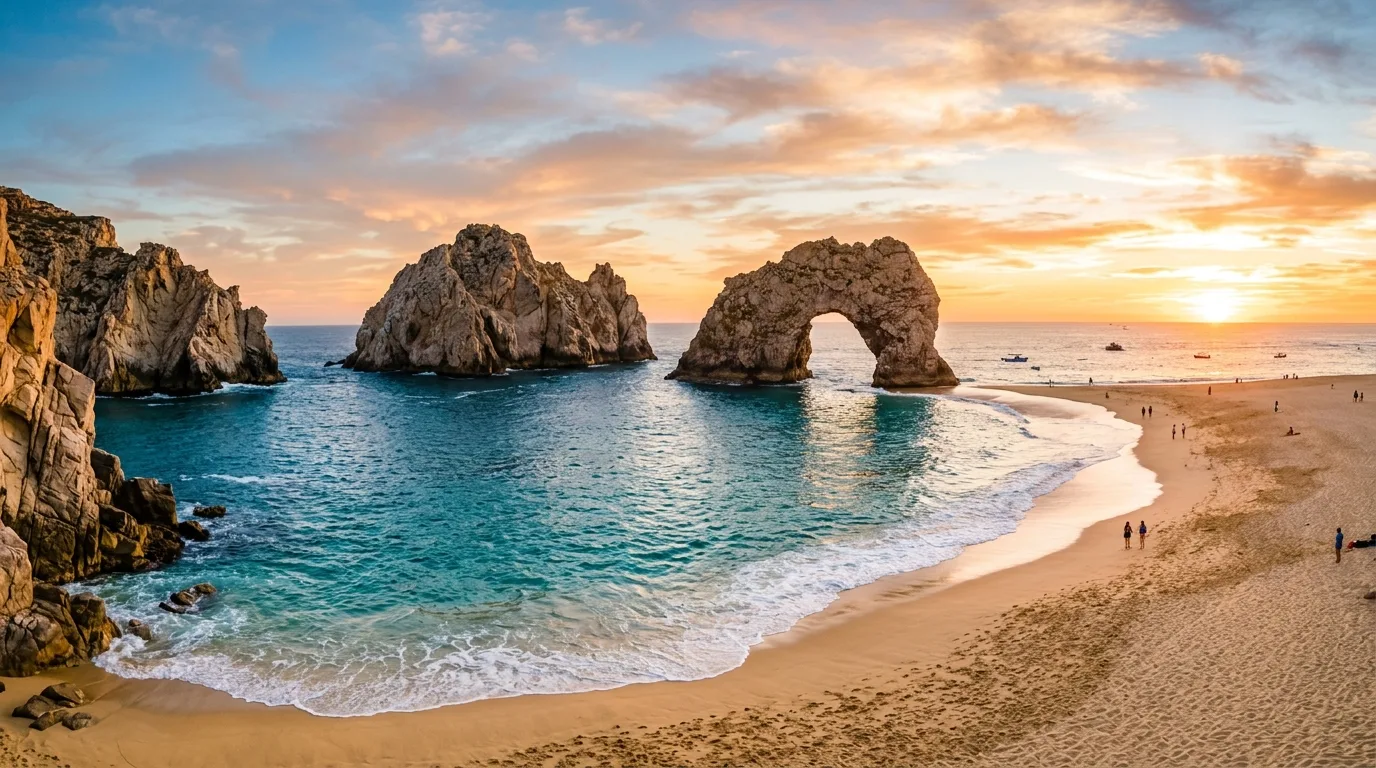
- Cabo San Lucas: Located at the western end of the peninsula where the Sea of Cortez meets the Pacific Ocean. It is famous for its buzzing marina, iconic Land’s End rock formations (El Arco), energetic beach clubs, vibrant nightlife, and high-density shopping areas.
- San José del Cabo: Situated about 20 miles east, near the airport. This historic municipality offers a much quieter, traditional Mexican atmosphere. It features a charming historic center, a thriving Thursday night Art Walk (seasonal), colonial architecture, and farm-to-table dining establishments.
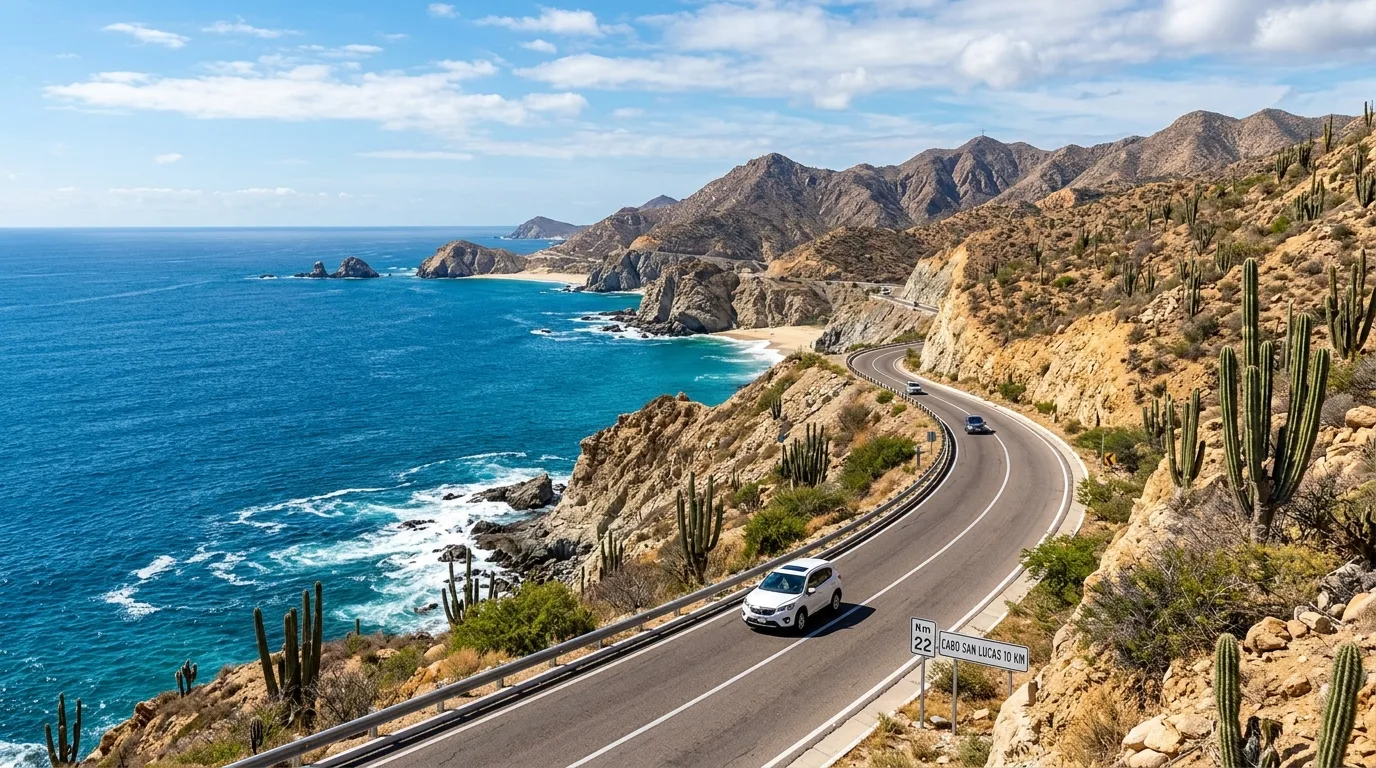
- The Tourist Corridor: The scenic coastal highway connecting the two towns. This stretch is lined with luxury beachfront resorts, gated residential communities, championship golf courses, and picturesque ocean vistas.
Understanding this layout is crucial when selecting accommodations and planning your daily schedule private transportation in San Jose del Cabo.
2. Arriving at SJD Airport: How to Avoid the Infamous “Shark Tank”
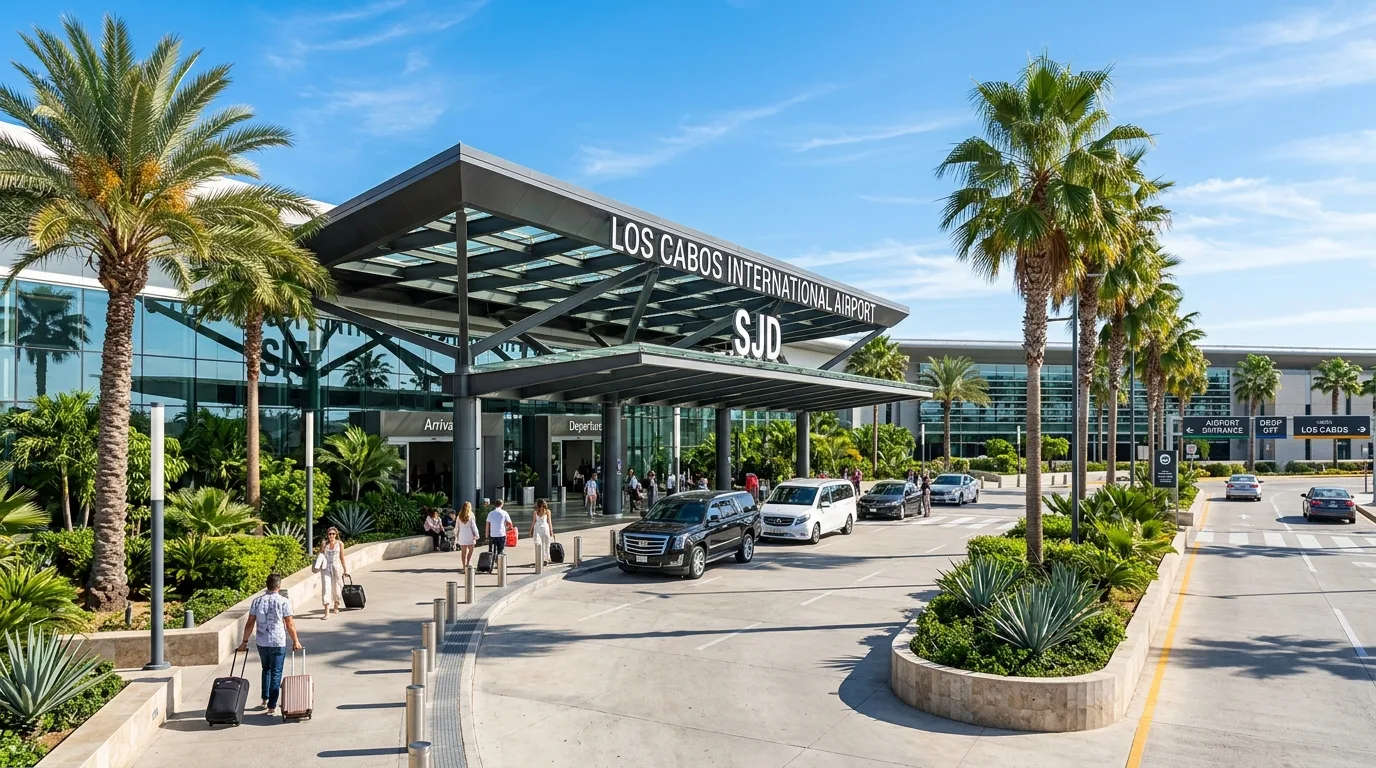
Your Los Cabos vacation officially begins at San José del Cabo International Airport (SJD) private driver in Los Cabos.
After collecting your luggage and clearing customs clearance, you will walk through a specific hallway lined with booths and counters staffed by persuasive sales representatives San Jose del Cabo airport car service.
They may offer free taxi rides, discounted excursions, or complimentary tequila tastings in exchange for listening to a resort presentation. To avoid unwanted delays or confusion, remember these key arrival steps:
- Keep walking straight: Do not stop to talk or present your luggage tags to individuals standing inside the building once customs is cleared.
- Ignore promises of free transportation: Legitimate ground transport providers are waiting outside the glass doors in the designated ground transportation area.
- Pre-arrange your transportation: Booking a reliable private airport transfer before you leave home ensures a driver will be waiting for you outdoors holding a personalized sign, ready to escort you directly to your vehicle.
3. Not All Beaches Are Swimmable: Respect the Baja Ocean Conditions
The breathtaking image of crashing waves against dramatic desert cliffs is iconic, but travelers must realize that many beaches in Los Cabos are unsafe for swimming Official Los Cabos Tourism Board.
Resorts located along the Pacific side often prohibit swimming completely, flying red or black warning flags along their shores. Entering the water at non-swimmable beaches can be extremely hazardous, even for confident and experienced swimmers.
Fortunately, Los Cabos boasts several beautiful Blue Flag certified beaches where ocean conditions are calm and safe for swimming, snorkeling, and stand-up paddleboarding:
| Beach Name | Location | Best For | Swimmable? |
|---|---|---|---|
| Medano Beach (Playa El Médano) | Cabo San Lucas Downtown | Swimming, water sports, beach clubs | Yes (Very Calm) |
| Chileno Bay (Playa Chileno) | Tourist Corridor (Km 14.5) | Snorkeling, families, tidal pools | Yes (Protected) |
| Santa Maria Beach | Tourist Corridor (Km 12.5) | Snorkeling, marine life, relaxed sunbathing | Yes (Protected Bay) |
| Lover’s Beach (Playa del Amor) | Land’s End (Boat Access) | Sightseeing, calm swimming (Sea of Cortez side only) | Yes (Cortez side) |
| Divorce Beach (Playa del Divorcio) | Land’s End (Adjacent to Lover’s Beach) | Walking, scenery | NO (Extreme Currents) |
Always pay close attention to warning flags displayed on the beach. A green flag indicates safe conditions, yellow means exercise caution, red signals dangerous conditions, and black warns that entering the water is strictly prohibited.
4. Timing Your Trip: Seasons, Weather, and Marine Life Events
Los Cabos enjoys a pleasant desert ocean climate with over 300 days of sunshine annually. However, weather patterns, crowd levels, and seasonal attractions vary significantly throughout the year. Incorporating timing considerations into your planning a trip to cabo san lucas will help align your vacation with your ideal weather and activities.
The primary travel seasons fall into three distinct windows:
- High Season (December through April): Perfect weather with warm sunny days (75°F to 82°F) and cool desert nights (60°F to 65°F). This period coincides with peak whale watching season, as thousands of humpback and gray whales migrate to the warm waters of Baja. Expect higher hotel rates and busier popular spots.
- Shoulder Season (May, June, November): Outstanding transitional weather with fewer crowds and moderate pricing. May and June bring warm sea temperatures ideal for diving and water sports, while November offers pleasant autumn temperatures right after the late summer heat fades.
- Low Season (July through October): Summer brings hot, humid weather with temperatures climbing past 90°F. August and September represent the peak of the Pacific hurricane season, bringing increased tropical humidity and occasional rainfall. While warm, this period offers lower accommodation pricing and quiet resorts.
5. Money Matters: Currency, Tipping, and Payment Methods
Navigating financial transactions in Los Cabos is convenient, but understanding local payment practices will save you time and money during your stay.
The official currency is the Mexican Peso (MXN), but U.S. Dollars (USD) are widely accepted at almost all hotels, restaurants, taxi services, and retail shops across Cabo San Lucas and San José del Cabo. Change is almost universally returned in Mexican Pesos using the vendor’s posted exchange rate.
Here are practical financial guidelines for your trip:
- Exchange Rates: Using credit cards or paying in local pesos usually yields a better exchange rate than paying in USD at local establishments, as private businesses adjust exchange rates for convenience.
- Credit Cards: Major credit cards (Visa and Mastercard) are accepted across hotels and established restaurants. American Express is accepted at luxury venues, though less universally. Always notify your financial institutions of travel plans before departure to prevent security blocks.
- ATM Usage: If you need local cash, use bank-affiliated ATMs located inside established bank branches (such as Banorte, BBVA, or Santander) rather than standalone unbranded ATMs on the street, which carry higher fees and security risks.
- Tipping Etiquette: Tipping is a customary and appreciated part of the local tourism economy. Standard gratuity for sit-down restaurant service is 15% to 20%. For private drivers, tipping $5 to $10 USD for short transfers or 10-15% for extended transfers is customary. Resort bellhops generally receive $2 to $5 USD per bag, and housekeeping staff appreciate $3 to $5 USD per day.
6. Getting Around Safely: Choosing the Right Transportation
Deciding how to travel around Los Cabos depends on your itinerary, budget, and peace of mind. Because attractions, resorts, and dining spots are spread out between towns and along the Corridor highway, understanding transportation options is essential cabo san lucas travel advice.
Public taxis are readily available at resorts and major downtown hubs, but they do not operate on meters. Fares are calculated on fixed zonal rates that can be surprisingly costly—often $30 to $50 USD for short trips between local resorts or downtown zones.
Ridesharing apps like Uber operate in Cabo San Lucas and San José del Cabo, providing affordable travel within urban municipal zones Los Cabos municipal tourism information.
For seamless travel—especially between SJD Airport and your resort—booking dependable private ground transportation provides predictable, professional comfort. Private transfer vehicles operate with official commercial permits, offering door-to-door transit without middle stops or hidden costs.
7. Drinking Water Realities and Local Health Precautions
A frequent query for international travelers traveling to Mexico concerns water safety. In Los Cabos, major resorts, established restaurants, and luxury vacation rentals invest heavily in high-grade multi-stage water filtration and reverse osmosis systems.
Ice served at reputable restaurants, beach clubs, and resort bars is produced from purified commercial ice supplies and is safe to consume. However, tap water direct from municipal plumbing in residential areas or smaller remote establishments should not be consumed directly.
Follow these quick health and wellness safety steps:
- Drink bottled or filtered water provided by your hotel or private driver throughout your stay.
- Use bottled water for brushing teeth if staying in private neighborhood home rentals.
- Stay well hydrated; the dry desert atmosphere combined with coastal humidity can lead to rapid dehydration during outdoor activities.
- Apply reef-safe sunscreen frequently. The tropical Baja sun is intense, even on breezy or overcast afternoons.
8. Dining Culture, Dress Codes, and Local Hospitality
The culinary landscape of Los Cabos is world-class, ranging from casual roadside fish taco stands to fine-dining culinary venues perched on sea cliffs. Embracing local dining customs enhances your culinary journey.
Reservations are strongly recommended several weeks in advance for celebrated dining establishments like Flora Farms, Acre, Sunset Monalisa, or El Farallon, particularly during the high winter season. Dress codes at high-end dining venues lean toward resort elegant (collared shirts, tailored shorts, or trousers for men; sundresses or elevated resort wear for women), while daytime coastal eateries welcome casual beach attire.
When dining out, service in Mexico is unhurried and attentive. Waitstaff respect your privacy and will rarely present the check (la cuenta) until you specifically request it. This practice reflects local hospitality, ensuring guests never feel rushed to yield their table. Simply ask your server “La cuenta, por favor” when you are ready to conclude your meal.
9. Safety in Los Cabos: What You Really Need to Know
Safety is a top priority for travelers evaluating a los cabos vacation guide. Los Cabos remains one of the safest tourist destinations in Mexico, welcoming millions of international guests, cruise ship passengers, and high-profile visitors each year without incident.
The local municipality maintains a visible security presence across tourist corridors, downtown districts, and public beach zones to protect visitors. Normal common-sense safety practices apply just as they would in any major resort town globally:
- Use resort safe deposit boxes for valuable jewelry, excess cash, and passports.
- Avoid walking alone on unlit street stretches or isolated ocean beaches late at night.
- Utilize authorized ground transportation or pre-arranged private drivers when returning from nightlife spots late in the evening.
- Keep an eye on personal belongings when occupying open beach tables or busy public areas.
10. Essential Packing Considerations for the Desert-Ocean Climate
Packing for Los Cabos requires balancing coastal warm weather gear with desert climate preparations. Because Baja California Sur sits in a desert marine zone, daytime sunshine transitions into cool ocean breezes once sunset arrives.
Ensure your luggage includes these versatile items:
- Light Layers: Pack a light sweater, windbreaker, or denim jacket for evening dinners along the coast, nighttime boat cruises, or desert excursions.
- Reef-Safe Sunscreen: Protect fragile ocean ecosystems and coral areas by using mineral-based, non-toxic sunscreen formulations.
- Polarized Sunglasses & Broad-Brimmed Hat: High glare off the Sea of Cortez makes quality eye protection essential for boat tours and beach days.
- Water Shoes or Sturdy Sandals: Essential for exploring rocky coves, participating in water sports, or walking on hot sands.
- Formal Resort Wear: Tailored clothing for upscale resort dining and evening cocktails.
Frequently Asked Questions
Is Cabo San Lucas safe for first-time visitors?
Yes, Cabo San Lucas is widely recognized as one of Mexico’s safest resort destinations official Los Cabos municipal information.
Do I need to speak Spanish when visiting Los Cabos?
While learning basic greetings like “Por favor” (Please) and “Gracias” (Thank you) is appreciated by locals, English is spoken fluently throughout hotels, popular restaurants, transport services, and tour operations in Los Cabos.
Can I use U.S. dollars everywhere in Cabo San Lucas?
Yes, U.S. dollars are accepted across virtually all tourism businesses in Los Cabos. However, change is often provided in Mexican pesos using local exchange rates. For everyday small transactions, carrying local pesos or using a credit card without foreign transaction fees is usually more cost-effective.
How far is Cabo San Lucas from the SJD airport?
Cabo San Lucas is approximately 28 miles (45 kilometers) from Los Cabos International Airport (SJD). Travel time takes around 35 to 45 minutes along the main toll highway (Libramiento) or Highway 1, depending on time of day and local traffic conditions.
Why can’t you swim at all beaches in Los Cabos?
Many beaches in Los Cabos face the open Pacific Ocean where steep sea-shelf drops create severe undertows, dangerous rip tides, and heavy shore breaks. Always look for designated Blue Flag protected beaches like Medano, Chileno, and Santa Maria Bay for safe swimming.
Is Uber available at the Cabo airport?
While Uber operates within municipal municipal areas of Cabo San Lucas and San José del Cabo, local regulations restrict rideshare drivers from picking up arriving passengers inside airport property grounds. Pre-arranged private transfers remain the most dependable option for airport arrivals.
What is the best month to visit Cabo San Lucas?
May, June, and November offer ideal climate balances with warm sunshine, comfortable ocean temperatures, and moderate crowd levels. For whale watching, visit between December and April, when thousands of humpbacks occupy Baja coastal waters.
Do I need a passport to visit Los Cabos?
Yes, international air travelers flying into Mexico must possess a valid passport book that remains active for the duration of their stay. Make sure your passport has at least one blank page available for entry validation stamps.
How much should I tip drivers and staff in Cabo?
Tipping expectations mirror North American standards. Restaurant staff custom is 15% to 20% for good service. Private drivers appreciate $5 to $10 USD for airport or local rides, hotel bellhops receive $2 to $5 USD per bag, and hotel housekeeping staff $3 to $5 USD per day.
Is tap water safe to drink at Cabo resorts?
Major Cabo resorts and fine-dining establishments maintain sophisticated water filtration and reverse-osmosis purification systems, making their water and ice safe for guests. However, drinking purified bottled water provided by your resort or transportation service is recommended when outside major venues.
Conclusion: Planning Your Ultimate Cabo Getaway
Understanding these vital things to know before visiting Cabo San Lucas empowers you to plan a seamless, stress-free Mexican getaway. From selecting swimmable ocean coves and experiencing authentic farm-to-table dining to navigating arrival day logistics effortlessly, proper preparation ensures every moment of your vacation is spent relaxing in luxury.
When organizing your upcoming Baja itinerary, starting your trip with reliable, professional ground transportation sets a comfortable tone for your entire vacation. Booking private airport transportation with Choya Transportation ensures a seamless arrival experience, professional English-speaking drivers, pristine luxury vehicles, and direct transport straight from SJD airport to your resort lobby doors.