Ultimate Cabo San Lucas Travel Guide: Everything You Need for an Unforgettable Baja Getaway
Perched at the southernmost tip of Mexico’s Baja California peninsula, where the sapphire waters of the Pacific Ocean meet the rich marine realm of the Sea of Cortez, Los Cabos stands as one of the world’s most breathtaking tropical destinations How to Choose the Best Airport Transfer in Cabo San Lucas.
Navigating a destination with two distinct municipal hubs—vibrant Cabo San Lucas and charming, historic San José del Cabo—requires a thoughtful approach to planning Los Cabos Airport Transfer Options.
Understanding the Region: Cabo San Lucas vs. San José del Cabo
When travelers refer to “Cabo,” they are often referring to the dual destination collectively known as Los Cabos Private Car Service Tourist Corridor.
Cabo San Lucas: Energy, Marina Life, and Coastal Drama
Situated at the southwestern tip of the peninsula, Cabo San Lucas is celebrated for its high-energy environment Guide to Private Car Service in Cabo San Lucas.
San José del Cabo: Culture, History, and Tranquility
Located on the eastern side of the cape closer to the airport, San José del Cabo offers a relaxed, authentic Mexican town experience Airport Transportation Cabo San Lucas.
The Tourist Corridor: Luxury Resorts and Championship Golf
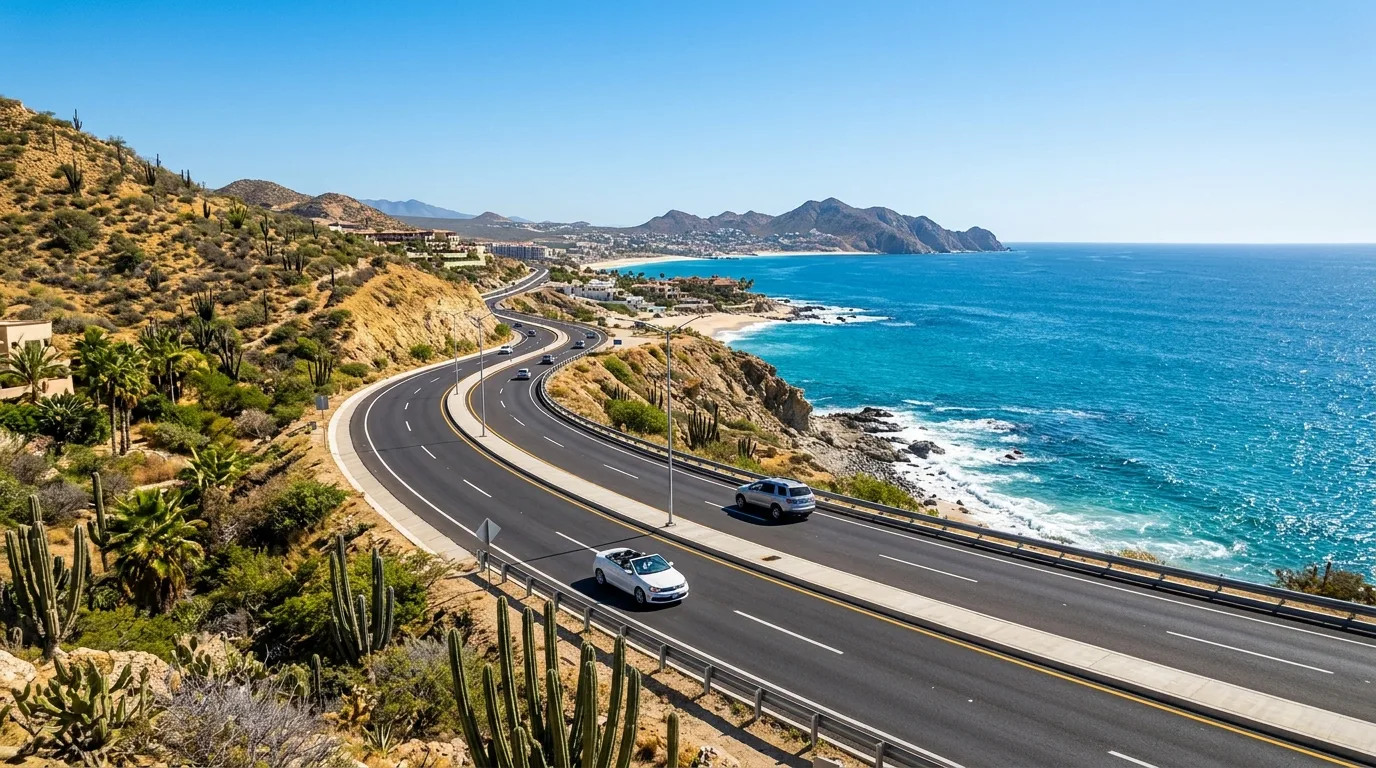
Connecting the two cities is the 20-kilometer (12-mile) stretch of coastal highway known as the Tourist Corridor Hotel Airport Transportation Los Cabos.
When to Visit Cabo San Lucas: Weather, Seasons, and Peak Times
Los Cabos enjoys a unique sub-tropical desert climate, boasting over 300 sunny days per year with low average rainfall. Choosing the best time for visiting Cabo San Lucas depends primarily on your preferred climate, budget, and specific travel activities.
High Season (December through April)
Winter and early spring feature perfect weather, with warm daytime temperatures around 75°F to 82°F (24°C to 28°C) and cool coastal breezes at night Visit Los Cabos Official Tourism Board.
Shoulder Season (May, June, October, and November)
The shoulder months offer an ideal balance of pleasant weather, lower crowd density, and moderate resort pricing. May and June present minimal rainfall and warm ocean water temperatures perfect for snorkeling and scuba diving. October and November mark the transition out of late summer, featuring warm sea water, excellent conditions for sportfishing tournaments, and pleasant evening temperatures.
Low Season / Summer (July through September)
Late summer brings higher ambient temperatures reaching up to 90°F–95°F (32°C–35°C) along with elevated humidity levels. This season also coincides with the Eastern Pacific tropical storm window, bringing occasional afternoon rain showers or localized storms. However, summer is ideal for budget-conscious travelers seeking steep resort discounts, quieter beaches, and relaxed dining experiences without reservations.
Arriving in Paradise: Navigating SJD Airport Logistics
Your journey begins at Los Cabos International Airport (SJD), located approximately 8 miles north of San José del Cabo and 28 miles northeast of downtown Cabo San Lucas. Navigating SJD airport to Cabo San Lucas smoothly sets a relaxed tone for your entire vacation.

Terminal Overview and Customs Procedures
SJD Airport operates two primary international terminals: Terminal 1 (serving primarily domestic Mexican airlines and select international carriers) and Terminal 2 (handling the majority of international flights from the United States and Canada). After landing, travelers clear Mexican immigration, retrieve checked luggage from the carousel, and present bags for final customs inspection. Process times typically range between 20 to 45 minutes depending on incoming flight volume.
Navigating the “Shark Tank” Timeshare Area
Once you step past customs control, you will walk through a specific glass-enclosed corridor before exiting to the official outside transportation area. Local travel experts frequently refer to this hallway as the “Shark Tank.” Sales representatives inside this area present themselves as official tourist information agents, transport coordinators, or hotel representatives, offering free transportation or tour vouchers in exchange for attending sales presentations. To avoid delays or high-pressure pitches, walk straight past these interior desks until you emerge into the open-air exterior passenger pickup zone.
Pre-Arranged Ground Transport vs. On-Site Taxis
Having your ground transport arranged prior to departure remains the single most effective step for a seamless arrival. Drivers waiting in the designated exterior pickup zone hold pre-printed signage and guide you straight to your waiting vehicle. Travelers relying on walk-up airport taxis frequently face higher rates, mandatory vehicle sharing, or extended wait times during peak arrival hours.
Top Neighborhoods and Where to Stay in Los Cabos
Selecting the right base for your stay depends entirely on your vacation goals, group dynamics, and preferred daily activities. Essential Los Cabos trip planning tips always emphasize matching your accommodation style with the right geographic area.
- Downtown Cabo San Lucas & Marina: Best for active night owls, deep-sea fishing enthusiasts, and travelers wanting immediate access to restaurants, shopping malls, and boat charters without needing daily ground transport.
- Medano Beach Corridor: Ideal for beach lovers wanting direct access to the region’s main swimmable oceanfront. Resorts along Medano offer water sports rentals, lively open-air dining, and stunning views of the Arch.
- The Tourist Corridor: Perfect for luxury luxury travelers, golfers, and families seeking sprawling oceanfront resorts with extensive swimming pool complexes, private beach coves, and peaceful surroundings away from city noise.
- San José del Cabo Hotel Zone & Historic Center: Best for travelers seeking authentic culture, artisan shopping, walking access to local dining, and quiet beachfront boutique resorts.
- The Pacific Coast Side: Located just west of downtown Cabo San Lucas, this rapidly expanding luxury enclave features ultra-exclusive resorts (such as Pedregal and Diamante) offering dramatic ocean cliff views, pristine sunsets, and peaceful privacy.
Must-See Attractions and Top Activities in Cabo San Lucas
A comprehensive Cabo vacation guide is incomplete without detailing the iconic landmarks and outdoor adventures that make the region world-famous.
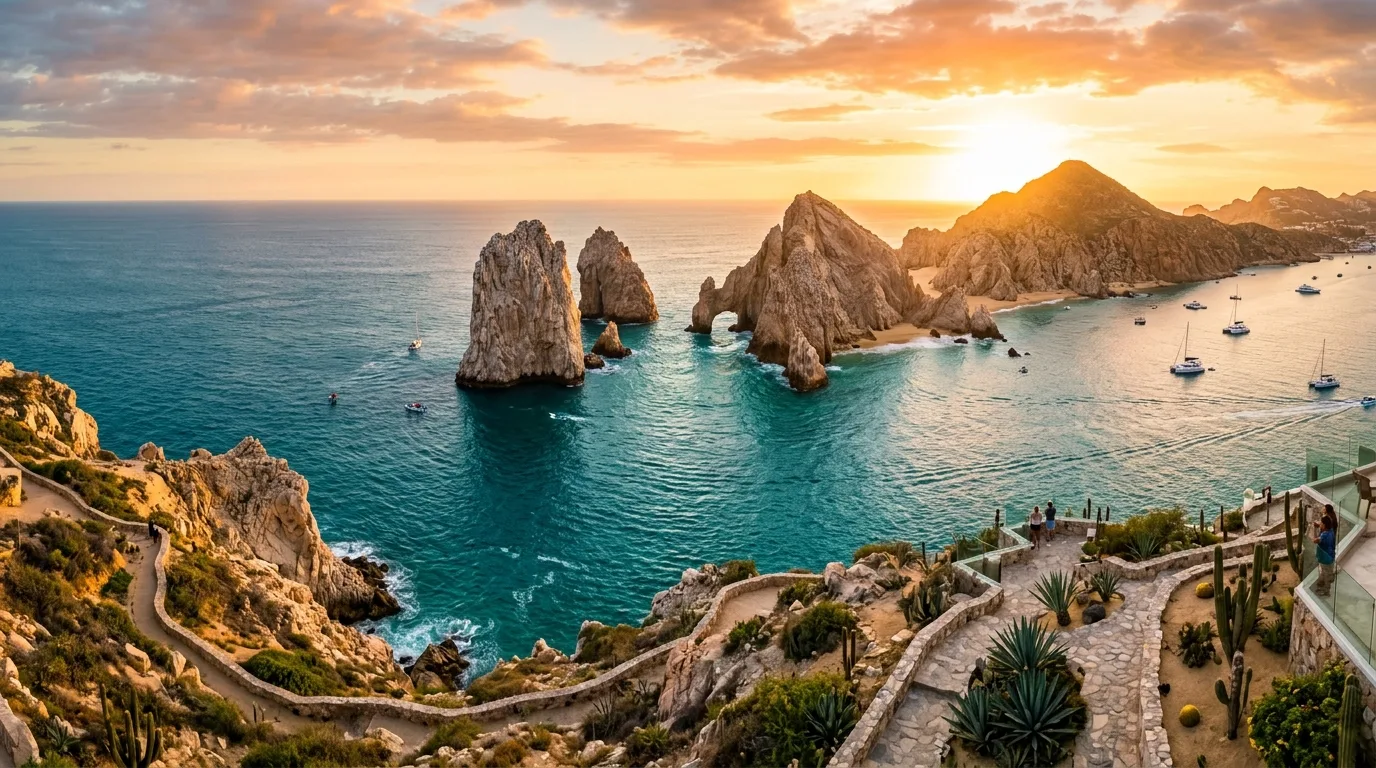
Land’s End and El Arco
The dramatic granite rock formations of Land’s End mark the exact spot where the Pacific Ocean connects with the Sea of Cortez official Los Cabos tourism information.
Seasonal Whale Watching
Between mid-December and mid-April, thousands of humpback and gray whales migrate from chilly Arctic feeding grounds to the warm, protected bays of Baja California to mate and give birth. Guided whale-watching tours operate daily from the Cabo San Lucas Marina, ranging from high-speed zodiac craft to spacious luxury catamarans equipped with hydrophones for listening to underwater whale songs.
Snorkeling and Marine Expeditions
Recognized by oceanographer Jacques Cousteau as “The Aquarium of the World,” the Sea of Cortez harbors incredible marine biodiversity. Top snorkeling and diving destinations along the cape include:
- Chileno Bay: A protected, blue-flag certified bay with calm waters, public facilities, and vibrant coral reefs teeming with tropical fish.
- Santa Maria Beach: A horseshoe-shaped cove featuring crystal-clear turquoise waters ideal for swimming and snorkeling.
- Cabo Pulmo National Marine Park: Located roughly two hours northeast of Cabo, this pristine marine park hosts the oldest living coral reef on the North American Pacific coast, offering legendary diving encounters with sea turtles, mobula rays, and marine life.
Desert Adventures and Inland Tours
Beyond the water, the Baja desert landscape provides thrilling terrain for off-road ATV and UTV tours, horseback riding along Pacific sand dunes, and zip-lining across dramatic canyon gorges in the Sierra de la Laguna foothills.
Dining and Culinary Experiences in Los Cabos
Los Cabos has evolved into one of Latin America’s top culinary destinations, blending traditional Mexican culinary heritage with fresh Pacific seafood and modern international gastronomy.
Authentic Local Cuisine and Street Food
Do not miss sampling local Baja-style fish and shrimp tacos, served on warm handmade corn tortillas topped with shredded cabbage, fresh lime, and creamy chipotle sauce. Regional specialties also include fresh ceviche prepared with locally caught snapper or sea bass, octopus, and chocolate clams named for the uniform brown color of their shells.
Organic Farm-to-Table Dining
Nestled in the agricultural valleys just outside San José del Cabo lie world-renowned farm-to-table culinary sanctuaries like Flora Farms, Acre, and Los Tamarindos. Set amidst lush organic gardens and orchards, these destination restaurants offer seasonal, field-to-plate menus paired with craft cocktails in stunning open-air settings.
Oceanfront Fine Dining
For romantic dinners or celebratory meals, the cape boasts extraordinary cliffside oceanfront venues where table settings sit directly over crashing ocean waves. High-end culinary options range from upscale contemporary Mexican concepts to wood-fired seafood grilles across Cabo’s top luxury resorts.
Essential Practical Travel Tips for Los Cabos
Ensuring your trip runs smoothly involves understanding key operational details before arriving. Keep these practical considerations in mind throughout your stay:
Currency, Cards, and Gratuities
The official currency is the Mexican Peso (MXN), but U.S Los Cabos municipal tourism information.
Beach Safety and Swimmability
While Cabo San Lucas is famed for its coastline, many ocean beaches facing the open Pacific Ocean or outer gulf feature heavy shorebreaks, powerful rip currents, and steep drops. Always obey safety beach flags posted daily at resort beaches:
- Green Flag: Safe for swimming.
- Yellow Flag: Caution; exercise care in the water.
- Red Flag: Dangerous waters; swimming prohibited.
- Black Flag: Extreme hazard; beach access closed.
Top designated swimmable beaches include Medano Beach, Chileno Bay Beach, Santa Maria Beach, and select protected coves along the Corridor.
Drinking Water Standards
Major resorts, hotels, and established restaurants in Los Cabos utilize commercial-grade, multi-stage water filtration and reverse osmosis systems. Purified ice and water are standard in tourist areas. However, when traveling off the beaten path or visiting rural areas, stick to sealed bottled water for drinking and brushing teeth.
Getting Around Los Cabos: Transport Options Compared
Understanding local transportation is critical for seamless travel between your hotel, downtown areas, popular restaurants, and SJD Airport. Below is an overview of how local transit options stack up for travelers exploring the area.
| Transportation Mode | Primary Advantages | Key Considerations | Best Suited For |
|---|---|---|---|
For most travelers, combining pre-arranged private airport transportation for arrival and departure transfers with local private rides or walkable downtown excursions provides the ideal balance of safety, comfort, and peace of mind.
Frequently Asked Questions
Do I need a passport to travel to Cabo San Lucas?
Yes. All international visitors traveling to Cabo San Lucas by air must possess a valid passport book. Ensure your passport has at least six months of validity remaining beyond your intended return date, along with empty pages for entry stamps upon clearing Mexican customs.
How far is Cabo San Lucas from SJD Airport?
Cabo San Lucas is located approximately 28 miles (45 kilometers) southwest of Los Cabos International Airport (SJD). Depending on traffic conditions and whether your travel uses the direct toll road (Libramiento), the driving time typically ranges between 35 and 50 minutes.
Is Cabo San Lucas safe for international tourists?
Los Cabos is widely considered one of the safest tourist destinations in Mexico. Local authorities maintain high public security standards across resort corridors, marina areas, and tourist zones. Standard travel awareness—such as staying in well-lit tourist areas at night and securing valuables—is recommended.
Can you swim in the ocean at Cabo San Lucas?
You can swim at designated swimmable beaches like Medano Beach, Chileno Bay, and Santa Maria Beach official Los Cabos municipal information.
What is the best month for whale watching in Los Cabos?
The official whale watching season runs from December 15 through April 15. The peak months with the highest density of humpback and gray whale sightings—including mothers with newborn calves—are January, February, and early March.
Are U.S. Dollars widely accepted in Cabo San Lucas?
Yes, U.S. Dollars are accepted at most hotels, restaurants, shops, and tour companies across Los Cabos. Change is frequently returned in Mexican Pesos. Carrying some local currency (MXN) is recommended for smaller local markets, street vendors, and small tipping situations.
Is it safe to drink tap water in Cabo resorts?
Most major resorts, hotels, and fine dining establishments in Los Cabos feature built-in water purification and reverse osmosis systems, making their water and ice safe. Outside established resorts or in rural regions, drinking sealed bottled water is recommended.
What should I wear when visiting Cabo San Lucas?
Resort wear is standard throughout Los Cabos. Daytime attire calls for lightweight cotton clothing, swimwear, sun hats, and sandals. Evenings at upscale farm-to-table or fine dining restaurants call for smart-casual attire. During winter months, pack a light sweater or jacket for cool evening ocean breezes.
How many days should I plan for a trip to Cabo San Lucas?
A 4 to 7-day stay is ideal for experiencing Los Cabos. A 4-day long weekend provides enough time for ocean relaxation, dining, and a sea tour, while a full week allows for exploring both San José del Cabo, day trips to Todos Santos or Cabo Pulmo, and multiple water activities.
What is the best way to travel from SJD Airport to my resort?
Pre-arranging a private airport transfer before arriving is widely regarded as the most comfortable, fast, and stress-free option. A private driver greets you directly outside the terminal exit, assists with heavy luggage, and provides direct transport straight to your hotel doorstep.
Conclusion: Planning Your Unforgettable Baja Getaway
With its dramatic desert-meets-ocean geography, luxury resort offerings, exceptional culinary scene, and endless warm sunshine, Los Cabos stands out as a world-class travel destination. Whether you plan to lounge on the sands of Medano Beach, embark on exciting seasonal whale-watching excursions, or sample delicious farm-to-table cuisine in San José del Cabo, proper preparation ensures a seamless trip from start to finish.
When you are ready to turn your Baja vacation plans into reality, taking the hassle out of airport transit makes all the difference. Consider booking your airport ride with Choya Transportation. Offering comfortable private vehicles, professional bilingual drivers, and reliable door-to-door pickup directly from SJD Airport to your hotel lobby, Choya Transportation lets you relax and enjoy the scenery from the moment you land in paradise.