
Best Time to Visit Los Cabos: A Complete Seasonal & Weather Guide
Determining the best time to visit Los Cabos depends largely on what you want out of your vacation navigating SJD Airport.
Whether your priority is swimming with whale sharks in crystal-clear waters, enjoying low resort rates, witnessing humpback whales breach off the coast, or simply escaping cold northern winters, understanding the seasonal rhythm of Baja California Sur is essential for planning a seamless trip.
Overview of Los Cabos Travel Seasons
Unlike traditional tropical destinations that experience heavy monsoons, Los Cabos sits in a dry desert environment surrounded by water Cabo vacation transportation tips.
Understanding these distinct travel windows helps visitors balance weather expectations, accommodation costs, and activity availability across Cabo San Lucas, San José del Cabo, and the Tourist Corridor.
| Season | Months | Average Temperatures | Key Highlights |
|---|---|---|---|
| High Season | December – April | 70°F – 82°F (21°C – 28°C) | Whale watching, pleasant evening breezes, high festive energy, minimal humidity. |
| Shoulder Season | May – June, Oct – Nov | 80°F – 90°F (26°C – 32°C) | Ideal sea temperatures, moderate crowd levels, excellent fishing, comfortable weather. |
| Low Season | July – September | 88°F – 95°F (31°C – 35°C) | Lowest hotel rates, warmer ocean waters for diving, quiet beaches, higher humidity. |
High Season: Peak Sunshine and Winter Getaways (December to April)
The winter and early spring months represent the most popular window for international travelers luxury private transportation in Cabo.
During high season, tourists fill resorts across Cabo San Lucas and the tranquil art district of San José del Cabo private group airport transfers.
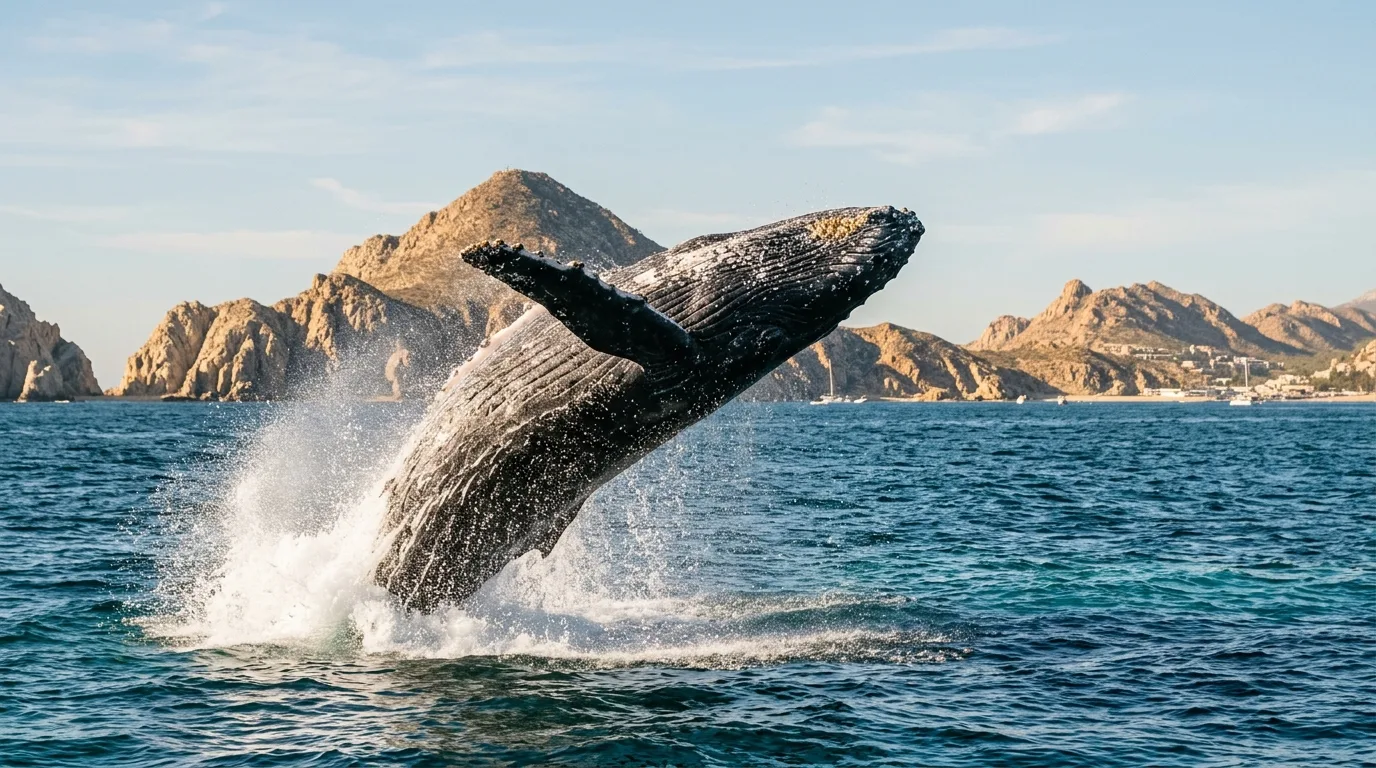
Beyond comfortable air temperatures, high season coincides with prime marine migration. Thousands of whales travel from chilly Arctic feeding grounds to the warm sheltered bays of the Sea of Cortez to mate and nurse their calves, making winter the ultimate window for ocean excursions.
Shoulder Seasons: Ideal Balance of Weather and Value (May, June, October & November)
For travelers seeking warm weather without intense summer heat or winter crowds, the shoulder months offer an ideal sweet spot Visit Los Cabos Official Tourism Board.
October and November mark the fall shoulder period. As the late summer rain threats dissipate, atmospheric humidity drops rapidly while water temperatures remain at their annual peak (around 80°F to 84°F). Fall is widely considered the best month to visit Cabo San Lucas for underwater activities like snorkeling, scuba diving, and deep-sea fishing tournaments.
- May & June Benefits: Spring break crowds subside, room rates normalize, and calm morning water conditions favor paddleboarding and kayaking.
- October & November Benefits: Peak ocean clarity for diving, warm water for swimming, and major international sportfishing tournaments such as the Bisbee’s Black & Blue.
Low Season: Warm Waters and Budget Travel (July to September)
Summer brings high heat and elevated humidity to the Baja peninsula. Temperatures from July through September frequently climb past 90°F (32°C), with August and September standing out as the hottest months of the year. Nighttime temperatures remain warm, rarely dipping below 78°F.
This period also aligns with the Los Cabos rainy season. While Los Cabos receives less rainfall than mainland Mexican coastal destinations, late August and September bring tropical moisture and occasional storms moving northward along the Pacific coast. Brief tropical downpours can occur, refreshing the desert landscape and turning surrounding mountains vibrant green.
Despite higher humidity, summer appeals to budget-conscious travelers. Luxury resorts frequently release their lowest rates of the year, offer package incentives, and provide resort credits. Additionally, ocean temperatures during late summer reach up to 85°F, creating bath-water conditions perfect for spending extended hours in resort pools or ocean coves.
Month-by-Month Breakdown of Los Cabos Weather
To pinpoint the exact conditions for your upcoming trip, analyzing the Los Cabos weather by month provides detailed insight into average highs, sea temperatures, and seasonal dynamics.
January & February
Days are crisp, dry, and sunny with daytime highs near 77°F (25°C) and cooler nights around 60°F (15°C). Ocean temperatures average 70°F (21°C), which may feel chilly for casual swimming without a short wetsuit. Whale activity peaks during these months, and morning ocean conditions are frequently calm.
March & April
Temperatures steadily rise into the low 80s (27°C). March brings high visitor volume due to spring break schedules, particularly in central Cabo San Lucas. April delivers stable weather, low humidity, and warm afternoon sunshine with very little risk of rain.
May & June
May is historically one of the driest months in Los Cabos, featuring consistent sunshine and pleasant temperatures around 84°F (29°C). By late June, daytime highs reach nearly 90°F (32°C) as early summer weather arrives. Tourism levels drop, creating a relaxing atmosphere along major beach corridors.
July & August
Heat and humidity increase significantly. Daytime temperatures average 91°F–93°F (33°C–34°C). Ocean temperatures climb past 80°F (27°C), making marine sports exceptionally comfortable. Afternoon cloud cover increases, though sunny mornings remain the norm.
September
September is the wettest and most humid month in Los Cabos. Average highs hover around 93°F (34°C), and humidity can make real-feel temperatures exceed 100°F. Some boutique hotels and restaurants close temporarily for annual maintenance. However, travelers willing to monitor weather forecasts can capture deep discounts.
October & November
Weather conditions transition rapidly in October as humidity drops and clear, sunny days return Los Cabos municipal tourism information.
December
December welcomes the return of winter travelers, with pleasant daytime averages around 79°F (26°C). Humpback and gray whales arrive back in coastal waters, and festive holiday celebrations fill regional resorts and local venues.

Best Time for Whale Watching and Ocean Activities
The waters surrounding the Baja peninsula support vast biodiversity, earning the Sea of Cortez the title of “The Aquarium of the World.” Choosing your travel dates around marine seasons ensures unforgettable wildlife experiences.
The official whale watching season Los Cabos runs from mid-December through mid-April. Humpback whales, gray whales, and occasionally blue or killer whales can be seen right off the coast. Guided boat tours depart daily from both Cabo San Lucas Marina and Puerto Los Cabos in San José del Cabo.
- Humpback & Gray Whales: Best viewed from January through March when mothers and young calves frequent shallow bays.
- Whale Sharks: Visible in nearby La Paz bay from November through April, offering rare opportunities to snorkel alongside these giant filter feeders.
- Scuba Diving & Snorkeling: Optimal clarity and warm water occur from September through November, when visibility can exceed 80 feet.
- Sportfishing: Striped marlin are present year-round, while yellowfin tuna, dorado (mahi-mahi), and blue marlin peak from late July through November.
Finding Budget Deals and Avoiding Peak Rates
Travelers targeting the cheapest time to go to Cabo will find maximum value during summer and early autumn. Resort room rates from July through September often drop by 30% to 50% compared to peak winter tariffs. High-end luxury properties frequently bundle daily breakfast, spa credits, or room upgrades into standard pricing during these months.
If you prefer to avoid high humidity while still capturing reasonable rates, target the shoulder windows of early May or late October. During these weeks, flight pricing into San José del Cabo International Airport (SJD) drops compared to peak holiday rushes, and resort availability remains flexible.
To maximize savings during any season:
- Book mid-week flights rather than weekend departures when airfares tend to spike.
- Reserve accommodations 3 to 6 months in advance for peak winter stays, or watch for late summer promotional offers.
- Arrange airport transfers beforehand to lock in reliable pricing and avoid last-minute transit surges upon arrival.
Travel Logistics: Arriving at SJD Airport in Any Season
Regardless of what month you visit, smooth arrival planning is essential. Most international visitors land at Los Cabos International Airport (SJD), located just north of San José del Cabo. The airport serves both main municipal hubs as well as the coastal Corridor connecting them.
Travel times from SJD Airport vary depending on your destination area:
- San José del Cabo Hotel Zone: Approximately 15 to 20 minutes from SJD.
- Tourist Corridor Resorts: Approximately 25 to 35 minutes from SJD.
- Cabo San Lucas Marina & Downtown: Approximately 35 to 45 minutes via the toll road.
- Pacific Side Resorts (e.g., Diamante, Pedregal): Approximately 45 to 55 minutes from SJD.
During peak high season (December to April), arrival terminals become extremely busy with long lines at customs and transport curbsides. Pre-booking private ground transportation ensures a representative greets you directly outside baggage terminal doors, guiding you past crowded public taxi queues directly to your air-conditioned vehicle.
For families traveling with bulky luggage, strollers, or sports gear like surfboards and golf clubs, dedicated private SUVs or vans eliminate transit stress across high-traffic summer or winter travel days.
Frequently Asked Questions
What is overall the best time to visit Los Cabos?
The optimal window to visit Los Cabos is between May and June or October and November official Los Cabos municipal information.
Which months are the cheapest to visit Cabo San Lucas?
July, August, and September are generally the most affordable months to visit. Because of higher summer heat and humidity, luxury resorts and airlines offer significant discount packages, reduced nightly rates, and promotional booking incentives.
When is whale watching season in Los Cabos?
The official whale watching season in Los Cabos runs from December 15 through April 15. The highest concentration of humpback and gray whales typically occurs in January, February, and early March.
Is the Los Cabos rainy season severe?
No, the rainy season in Los Cabos is relatively mild compared to southern tropical Mexico. Rainfall is concentrated primarily in August and September. Most storms pass quickly, though tropical depressions occasionally bring heavier downpours over several days.
What is the hottest month in Los Cabos?
August and September are the hottest months in Los Cabos, with average daytime high temperatures consistently reaching between 91°F and 95°F (33°C to 35°C), accompanied by high humidity levels.
When is the best time for swimming and snorkeling in Cabo?
October and November provide the ideal swimming and snorkeling conditions. During this period, sea temperatures hover around 80°F to 84°F, water clarity is at its annual peak, and ocean currents remain relatively calm.
Are hurricanes a concern in Los Cabos?
The Eastern Pacific hurricane season officially runs from June 1 through November 30, with peak storm activity near Baja California Sur occurring in late August and September. Modern forecasting provides advance tracking, allowing travelers to adjust plans when necessary.
Is Los Cabos crowded during Spring Break?
Yes, central Cabo San Lucas sees increased visitor volumes and nightlife crowds from early March through mid-April due to university and family spring break trips. Those seeking a quieter getaway during this time often prefer resorts in San José del Cabo.
What should I pack for winter evenings in Los Cabos?
Winter days are warm, but nighttime temperatures from December through February can drop to 60°F (15°C) with ocean winds. It is advisable to pack light layers, such as a denim jacket, cardigan, light sweater, or pashmina for evening dining.
How early should I book airport transportation for peak season?
For high season travel (December through April), booking airport transportation at least 3 to 4 weeks prior to departure is recommended. Pre-arranging private vehicle service guarantees prompt pickup at SJD Airport and smooth transfers directly to your resort.
Conclusion: Planning Your Ideal Cabo Getaway
Every season in Los Cabos possesses its own unique appeal. Winter brings crisp air, vibrant dining scenes, and breach-filled whale watching excursions. Spring and autumn deliver warm, clear waters alongside comfortable temperatures. Summer offers unbeatable luxury resort values for sunseekers looking to relax by the pool.
By matching your personal travel goals—whether focused on budget, weather, marine life, or outdoor sports—with the right time of year, you ensure a memorable Baja experience. Whenever you choose to fly into SJD Airport, pairing your itinerary with reliable luxury airport transfers ensures your Cabo vacation begins seamlessly the moment you land.